
Root Canal Jacksonville FL
Quick and Comfortable Endodontic Procedures by Expert Endodontists Dr. Allen, Dr. Campbell and Dr. Cooper
What is a root canal procedure?
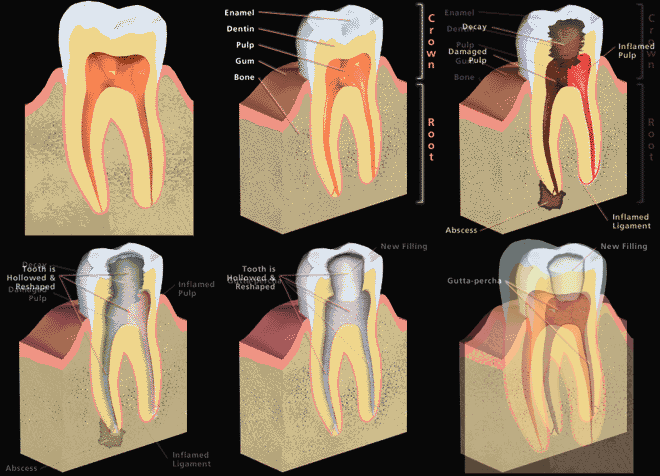
Endodontics, also called root canal therapy, is the area of dentistry that focuses on the diagnosis and treatment of diseased pulp in a tooth. The pulp is the small amount of soft tissue containing minute nerves and blood vessels within the tooth.
During initial tooth development, the pulp is responsible for the formation and growth of the hard part of the tooth. After the crown and root(s) of the tooth have matured, the pulp tissue remains locked inside the tooth in a small root canal space.
During one’s lifetime, the pulp may become diseased due to a variety of reasons (decay, trauma, deep fillings, cracks, etc.). The inflamed pulp can quickly cause pain and even infection of the surrounding bone and soft tissue. Elimination of the diseased pulp can be accomplished in two ways: extracting the tooth or saving the tooth by performing endodontic therapy.
Endodontic therapy is one of the most common dental procedures performed, with well over 14 million every year. This simple treatment can save your tooth and prevent the loss of function (chewing ability), movement of adjacent teeth, and unwanted cosmetic changes.
When the pulp becomes diseased, you may experience sensitivity to hot and/or cold, pain or sensitivity when biting, discoloration of the tooth, swelling or tenderness in the gums, or a non-provoked spontaneous pain.
Don’t Suffer From Tooth Pain Any Longer!
Pain in your tooth or gums may be a symptom of infected pulp. Drs. Allen, Campbell and Cooper can perform a Root Canal to treat the infected pulp, relieve pain, and save your natural teeth!
If you experience any of these symptoms, your dentist will most likely recommend non-surgical treatment to eliminate the diseased pulp. This injured pulp is removed and the root canal system is thoroughly cleaned and sealed. This therapy usually involves local anesthesia and may be completed in one or more visits, depending on the treatment required. Success for this type of treatment occurs in about 95% of cases.
If your tooth is not amenable to endodontic treatment or the chance of success is unfavorable, you will be informed at the time of consultation or when a complication becomes evident during or after treatment. Drs. Allen, Campbell or Cooper use local anesthesia to eliminate discomfort. In addition, we will provide nitrous oxide analgesia if indicated. You will be able to drive home after your treatment, and you probably will be comfortable returning to your normal routine.
 What happens after root canal treatment?
 What happens after root canal treatment?
When your root canal therapy has been completed, a record of your treatment will be sent to your restorative dentist. You should contact his/her office for a follow-up restoration within a few weeks of completion at our office.
Your restorative dentist will decide on what type of restoration is necessary to protect your tooth. It is rare for endodontic patients to experience complications after routine endodontic treatment or microsurgery. If a problem does occur, however, we are available at all times to respond.
How much will root canal therapy cost?
The cost associated with this procedure can vary depending on factors such as the severity of damage to the affected tooth and which tooth is affected. In general, endodontic treatment is much less expensive than tooth removal and replacement with an artificial tooth.
Endodontics of Mandarin
Patient Review
Great Dr and bedside manner!!
- Annita H
Patient Review
Maybe let patients know there is a possibility of having to take piercings out ahead of time.
- Tonia L
Patient Review
Very good care. Didn’t do something just because.
- Annita H